


Across the UK, One Step‑Free Journey at a Time

Discover practical, confidence‑building ways to explore the United Kingdom without relying on a car, designed especially for wheelchair users who want independence, spontaneity, and joy. We’ll spotlight trains, buses, boats, assistance services, and real experiences that turn planning into possibility, transforming station maps into memorable days out, and small decisions into big, liberating adventures worth sharing.

Plan Like a Pro: Assistance, Apps, and Timetables

Great trips start with clarity. From National Rail’s Passenger Assist and the Transreport app to TfL’s step‑free tools and live lift alerts, smart planning replaces uncertainty with certainty. Pair these with the Disabled Persons Railcard, realistic journey timings, and accessible station details to stack the odds in your favour and free up energy for the moments that truly matter.

Cities Made Easier: Tube, Trains, Buses, and Boats

British cities are criss‑crossed by networks that welcome wheels. With step‑free interchanges, turn‑up‑and‑go support, reliable buses with ramps, and even river services, you can link neighborhoods without a steering wheel. The trick is knowing which lines shine, which stations are friendliest, and how to switch modes smoothly when a lift closure or crowd temporarily nudges your plan sideways.

From Coasts to Highlands by Rail

Rail unlocks sweeping landscapes without parking worries, from Cornish estuaries to Scottish peaks. Assistance staff bridge the gap at platforms, and many scenic lines feature accessible rolling stock and toilets. The rhythm of the train offers calm focus, letting you enjoy cliffs, viaducts, and valleys while someone else handles gradients, signals, and the countless tiny logistics behind safe movement.

Sleeper comfort to Scotland

The Caledonian Sleeper offers accessible cabins with step‑free boarding assistance and call‑for‑help systems, turning a long trip into a restful overnight glide. Book early to secure an accessible room, discuss bed heights and bathroom layout, and confirm platform assistance at both ends. Wake near the Highlands refreshed, with daylight hours free for museums, short accessible trails, and welcoming cafés.

Bright seaside escapes

Brighton’s wide promenade, beach‑view ramps, and accessible seafront facilities pair beautifully with frequent step‑free rail connections. On a breezy afternoon, a reader rolled from the station to the pier without fuss, paused for fish and chips, and borrowed an all‑terrain beach wheelchair. Always confirm staffing hours, check Changing Places locations, and keep an eye on wind forecasts along the shore.

Heritage and rural rides

Several heritage railways, such as the Severn Valley Railway, provide accessible coaches and ramps with advance notice. Rural lines like the Settle‑Carlisle reward preparation with dramatic views and spacious stations. Confirm platform gaps, accessible toilets, and café seating arrangements beforehand. Volunteers are often enthusiastic and helpful, and a quick call can transform obstacles into thoughtful welcome and smooth, memorable boarding experiences.


Green Paths and Sea Air Without the Car

Lake District without stiles

Miles Without Stiles routes around Derwentwater and Windermere offer compacted surfaces, considered gradients, and generous viewpoints. Reach them via rail to Windermere or Penrith, then bus onward. A traveller described watching sunlight ripple across the lake from a level shore path, warm drink in hand, grateful for benches, clear signage, and companions who paced the journey thoughtfully.

Accessible coastlines and piers

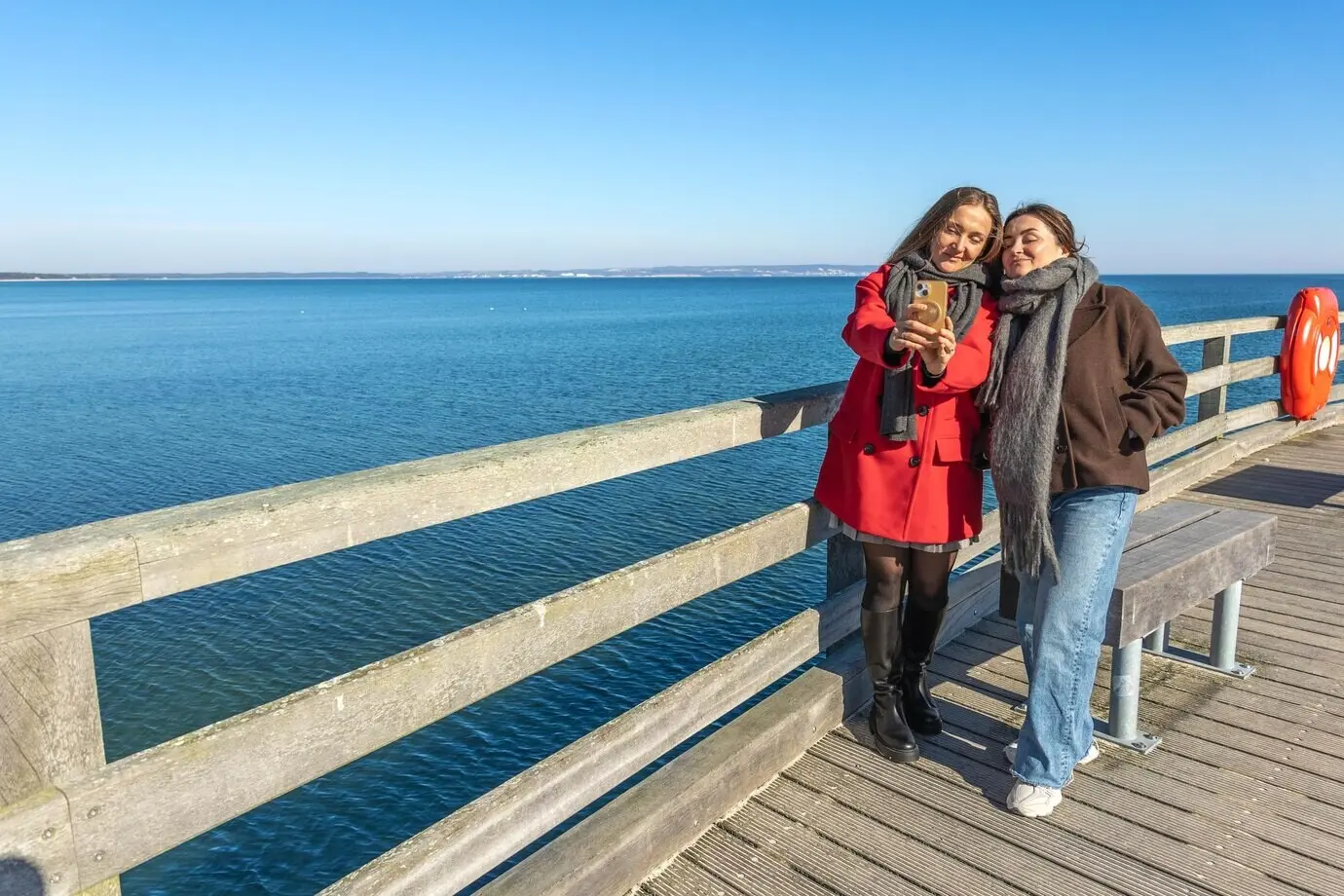
Blackpool’s wide promenade, Brighton’s ramps, and beach wheelchair schemes in places like Sandbanks open sea days without sand struggles. Verify pickup points, deposit requirements, and reservations. Many piers provide level access and seating, though wind can make progress lively. Seaside councils publish accessibility maps, and local volunteers often share up‑to‑date tips about shelters, toilets, and quieter corners for restorative pauses.

Gardens and estates

Kew Gardens lists step‑free routes, accessible entrances, and resting spots, while many National Trust properties have improved pathways and offer free carer admission. Reachable by public transport, these spaces mix nature with amenities like Changing Places toilets. Before visiting, ask about gravel depth, ramp angles, and shuttle services—details that turn a pleasant stroll into a relaxed, unhurried day.

Stays, Facilities, and Everyday Comforts

A safe, comfortable base turns travel into rest rather than recovery. Choose accommodations with truly step‑free entrances, roll‑in showers, reliable lifts, and realistic maneuvering space. Confirm details with photos or measurements. Pair your plans with Changing Places maps, a small toolkit for adjustments, and thoughtful packing that keeps medications, chargers, and warm layers within reach, even in unpredictable weather.

Booking rooms that truly work

Ask about bed height, under‑bed clearance for portable hoists, doorway widths, turning circles, and whether the bathroom has a level‑access shower with a stable seat and grab rails. Request photos, not just promises. Confirm lift reliability, breakfast access, and evacuation plans that consider wheels. Local mobility hire companies can provide hoists, shower chairs, and wedges that transform okay rooms into excellent ones.

Find a Changing Places restroom

Changing Places facilities offer larger spaces, adult‑sized benches, and hoists—comforts that extend days out significantly. Use official maps or trusted apps, and carry a RADAR key for locked accessible toilets. Note opening hours inside museums or stations, and plan around lunchtime congestions. A little foresight means fewer urgent detours and more relaxed, meaningful moments wherever your route unfolds.

Know Your Rights, Share Your Wins

Confidence rises when you understand what support should look like and how to ask for it. The Equality Act expects reasonable adjustments, and operators publish accessibility commitments. By logging successes and hiccups, you help improve services for everyone. Most importantly, swapping stories builds momentum—turning solo discoveries into shared knowledge that shortens the learning curve for the next traveller.
Wheelchair users have strong protections, from priority space on buses to taxi ramp requirements and reasonable adjustments across stations. Staff should provide boarding assistance when requested. If expectations aren’t met, politely escalate to supervisors. Keep times, names, and photos where appropriate. Clear records help operators fix problems faster and remind everyone that accessibility is a baseline, not a bonus amenity.
If a lift fails or assistance is missing, request an alternative route, taxi support, or a refund as appropriate. Follow the operator’s complaints process, then contact Transport Focus or London TravelWatch for independent help. Notes from your phone become powerful evidence. Stay calm, persistent, and specific—solutions come quicker when issues are documented clearly and expectations are framed around published commitments.
Pufimerixaxonomere
Privacy Overview

This website uses cookies so that we can provide you with the best user experience possible. Cookie information is stored in your browser and performs functions such as recognising you when you return to our website and helping our team to understand which sections of the website you find most interesting and useful.